Best Time to Clean Solar Panels Australia (By Season)
Learn when to clean your solar panels for maximum efficiency in Australian conditions. Complete seasonal guide with timing, frequency, and regional recommendations.
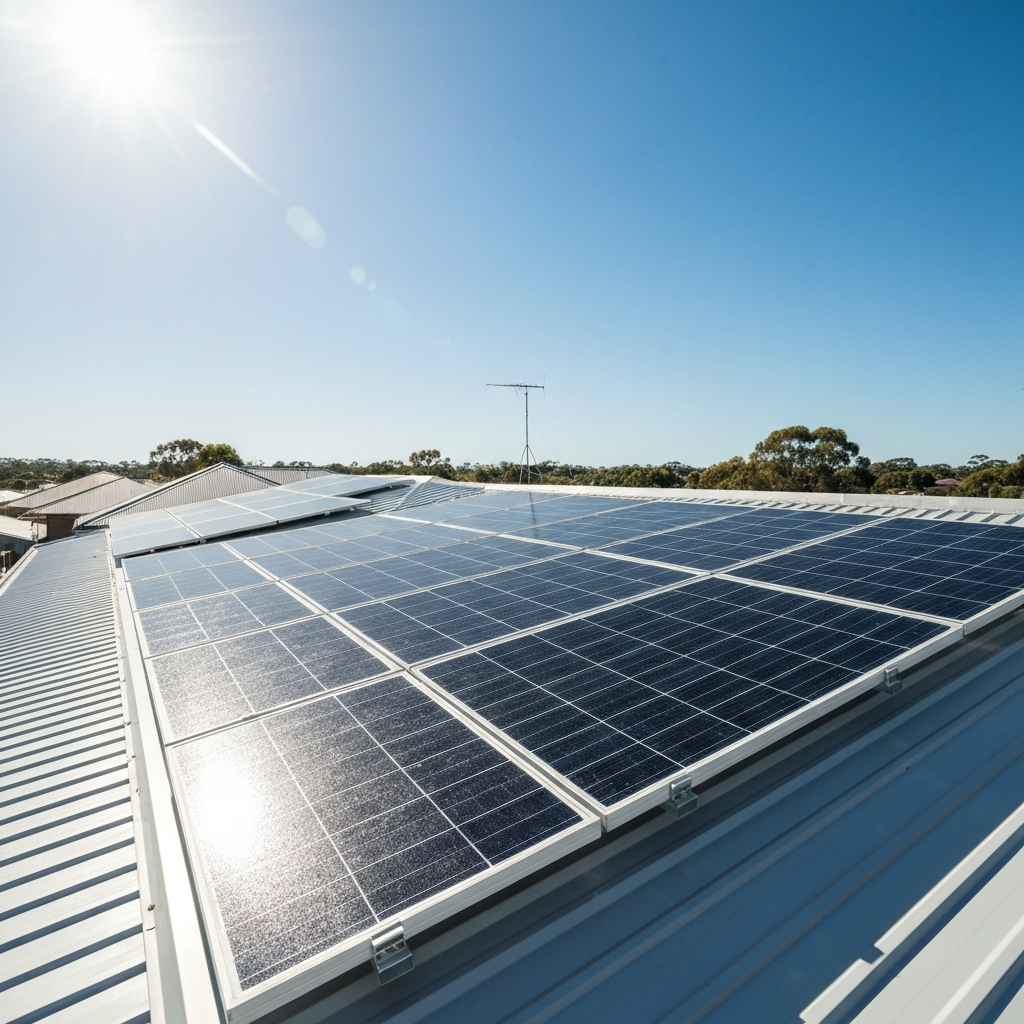
Choosing the best time to clean your solar panels can increase energy output by 15–30% compared to irregular or poorly-timed cleaning (Source: CSIRO Renewable Energy Division, 2023). Australia’s diverse climate zones mean timing varies significantly depending on your location, the season, and local environmental factors.
This guide breaks down exactly when you should clean your solar panels throughout the year, what seasonal factors affect cleaning decisions, and how to optimise your cleaning schedule for maximum efficiency and cost savings.
Why Timing Matters for Solar Panel Cleaning
Solar panel efficiency drops gradually as dust, pollen, bird droppings, and other contaminants accumulate on the surface. Research from the University of Queensland found that soiled panels lose an average of 3–5% efficiency per month in typical suburban conditions, with losses accelerating to 8–12% monthly in high-dust environments (Source: UQ Solar Research Centre, 2024).
The timing of your cleaning directly impacts how much energy you lose between cleanings and how effectively the cleaning process works. Cleaning at the wrong time can leave streaks, cause thermal shock damage, or simply prove ineffective if natural soiling patterns immediately recontaminate your panels.
Temperature also plays a crucial role. When hot panels contact cold water, thermal shock can create microfractures in solar cells, potentially voiding your warranty. Most manufacturers specify maximum temperature differentials of 40°C between panel surface and cleaning water (Source: Clean Energy Council Guidelines, 2024).
Best Season to Clean Solar Panels in Australia
Spring Cleaning (September–November)
Spring is arguably the best season for solar panel cleaning across most Australian regions. This timing capitalises on several environmental and practical factors that make cleaning both effective and necessary.
Why Spring Works:
Your panels have accumulated winter dust, pollen from wattle and other native plants, and organic debris from spring storms. Cleaning in early spring (September) removes this buildup before the high-production summer months when every percentage point of efficiency translates to maximum dollar savings.
Spring temperatures are moderate, typically 15–25°C, which minimises thermal shock risk even during midday cleaning. Panels remain cool enough that water won’t evaporate instantly, allowing proper cleaning without streaking.
In Melbourne, Sydney, and Adelaide, spring also coincides with the end of migratory bird nesting season, meaning you’re cleaning away accumulated droppings before summer heat bakes them onto your panels permanently.
Regional Considerations:
Northern Australia (Darwin, Cairns) experiences the end of the wet season in October–November, making this the ideal window before the dry season dust begins accumulating. Southern regions benefit from spring cleaning in September before wattle pollen season peaks.
Professional cleaners report September and October as their busiest months, with good reason. If you’re considering professional cleaning services, booking early in spring often provides better availability and sometimes off-peak pricing.
Summer Maintenance (December–February)
Summer presents both opportunities and challenges for solar panel cleaning. While it’s your highest production season when efficiency matters most, it’s also when cleaning requires careful timing.
Strategic Summer Cleaning:
If you only clean once annually, summer is not your optimal choice. However, for properties in high-dust areas or those affected by bushfire smoke, a mid-summer clean (January) can be worthwhile to maintain peak production during maximum daylight hours.
Summer cleaning must occur early morning (before 8 am) or late afternoon (after 5 pm) when panels have cooled. Never clean panels that feel warm to touch—surface temperatures can exceed 65°C on 40°C days, and cold water contact risks thermal shock damage that voids warranties.
Bushfire Smoke Considerations:
The 2019–2020 bushfire season demonstrated how smoke particulate dramatically reduces solar efficiency. Properties within 200 km of active fires experienced efficiency losses of 30–50% during heavy smoke periods (Source: Australian Energy Market Operator, 2020).
If your region experiences bushfire smoke in summer, plan a cleaning immediately after smoke clears. The fine particulate creates a film that rain alone won’t remove effectively. Brisbane, Sydney, and Canberra suburbs particularly affected by western bushfire smoke should monitor air quality and schedule post-smoke cleaning.
Autumn Preparation (March–May)
Autumn is an excellent second-choice season for solar panel cleaning, particularly for systems that receive biannual maintenance. This timing prepares your panels for the lower-production winter months by ensuring maximum efficiency from reduced daylight hours.
Autumn Advantages:
Temperatures moderate to comfortable 18–28°C across most regions, making physical cleaning safer and more effective. You’re removing summer dust accumulation, dried insect residue, and any bird droppings from nesting season before cooler weather makes them harder to remove.
In Perth, Adelaide, and southern Western Australia, autumn cleaning removes salt spray accumulation from summer sea breezes, which can create a hazy film that reduces efficiency by 8–15% if left untreated through winter.
Autumn is also ideal for combining your solar panel cleaning with gutter cleaning—many professional services offer package deals that reduce per-service costs by 15–25%.
Winter Considerations (June–August)
Winter is often overlooked but can be surprisingly effective for solar panel cleaning in many Australian locations. The reduced solar intensity means you’re less worried about thermal shock, and clear winter days provide excellent visibility of dirt and grime.
When Winter Works:
Coastal Queensland, northern New South Wales, and most of Western Australia experience mild, dry winters perfect for panel cleaning. Daytime temperatures of 15–22°C mean panels never become dangerously hot, and low humidity reduces streaking risk.
Winter is particularly suitable if your panels accumulated smoke residue or dust during autumn. In agricultural regions, post-harvest dust settles heavily on panels in April–May, making a June or July clean essential to maintain winter efficiency.
Winter Limitations:
Southern Victoria, Tasmania, and alpine regions experience morning frost and afternoon temperatures below 10°C, which makes water-based cleaning impractical. Waiting until a mild winter day (15°C+) or scheduling cleaning for late winter (August) works better in these locations.
Never clean panels when frost is present or forecast within 2 hours—ice formation can damage panel seals and create dangerous working conditions on roofs.
Time of Day: When to Schedule Your Clean
Regardless of season, the time of day you clean significantly impacts results and safety.
Early Morning (6 am–9 am)
Early morning is the gold standard for solar panel cleaning timing. Panels are cool from overnight temperatures, dew has usually evaporated by 7–8 am, and you have 2–3 hours of good natural light before panels heat up.
Morning cleaning also means your panels are clean for peak midday production, maximising the immediate efficiency benefit. Professional services typically schedule residential cleaning for 7–9 am slots to capitalise on these conditions.
Late Afternoon (4 pm–6 pm)
Late afternoon is the second-best option, particularly in summer when early morning scheduling isn’t practical. By 4 pm, panels have cooled from their peak temperature, but sufficient daylight remains for thorough cleaning.
The disadvantage is that panels won’t benefit from improved efficiency until the following day. However, this timing works well for DIY cleaning projects when you’re returning from work and have time to complete the task safely.
Avoid Midday (10 am–3 pm)
Never clean solar panels during peak sun hours when surface temperatures exceed 45°C. The rapid evaporation creates mineral streaks from tap water, and thermal shock risk increases dramatically. Even purified water can leave residue when panels are this hot.
If you must clean during this window (for example, due to urgent efficiency needs), use only deionised water, work in small sections, and immediately squeegee each area before water evaporates.
Regional Timing Guide by Australian Climate Zone
Australia’s climate diversity means one-size-fits-all timing advice doesn’t work. Here’s how to optimise cleaning timing for your specific region.
Tropical North (Darwin, Cairns, Townsville)
Optimal timing: May–October (dry season)
The tropical wet season (November–April) brings intense rain that naturally cleans panels but also creates high humidity that promotes mould and lichen growth under accumulated debris. Clean panels in early May after wet season ends, then again in September before humidity returns.
Wet season rain is generally sufficient to maintain reasonable panel cleanliness, but a dry season inspection is essential to check for biological growth in panel frames and mounting hardware.
Subtropical East Coast (Brisbane, Gold Coast)
Optimal timing: April–May and September–October
Subtropical regions benefit from biannual cleaning timed around seasonal transitions. Spring cleaning removes winter salt spray and pollen, while autumn cleaning addresses summer storm debris and insect residue.
Brisbane suburbs west of the city centre may need an additional summer clean due to dust from construction activity and drier western winds during drought periods.
Temperate Southeast (Sydney, Melbourne, Adelaide)
Optimal timing: September–October (primary) and March–April (secondary)
Melbourne and Adelaide experience more dramatic seasonal variation than Sydney, making spring cleaning particularly important before summer production peaks. A second autumn clean works well for systems in high-traffic urban areas where vehicle exhaust accumulates quickly.
Sydney’s coastal suburbs benefit from cleaning before and after the September–October pollen season, when native trees release enormous quantities of pollen that creates a sticky film on panels when combined with morning dew.
Mediterranean Southwest (Perth)
Optimal timing: March–April and October–November
Perth’s hot, dry summers and mild, wet winters create unique timing requirements. Clean in autumn (March–April) after summer heat has ended but before winter rain begins. This removes accumulated dust and salt spray while weather remains stable.
A second clean in spring (October–November) prepares panels for summer after winter rain has deposited additional dirt and organic debris. Perth’s Indian Ocean sea breezes carry salt spray year-round, making biannual cleaning particularly worthwhile for coastal suburbs.
Arid Interior (Alice Springs, Broken Hill)
Optimal timing: After dust storms, quarterly minimum
Inland arid regions require the most frequent cleaning due to constant airborne dust. Rather than seasonal timing, clean quarterly (every 3 months) or within 1–2 weeks after any significant dust storm.
During extended drought, monthly inspections help you identify when efficiency drops warrant cleaning. Some remote properties benefit from installing tilt-adjustable mounting systems that allow occasional manual tilting to shed accumulated dust without full cleaning.
Frequency: How Often Should You Clean?
Seasonal timing matters, but so does overall frequency. Most Australian residential systems need professional cleaning 1–2 times annually, with frequency determined by your specific environmental factors.
Once Yearly: Suitable for properties in low-dust suburban areas with regular rainfall (25+ rain days per year), minimal tree coverage, and no nearby agricultural or industrial activity. Schedule for spring (September–October).
Twice Yearly: Recommended for urban areas with moderate dust, coastal properties affected by salt spray, or regions with high pollen counts. Schedule for spring (September) and autumn (April).
Quarterly: Necessary for properties near construction sites, unpaved roads, agricultural areas during harvest, or regions affected by regular bushfire smoke. Schedule for March, June, September, and December.
After Events: Always schedule cleaning after significant dust storms, bushfires nearby (once smoke clears), or if bird droppings cover >10% of panel surface area.
For a complete analysis of optimal cleaning frequency for your specific situation, see our guide on how often to clean solar panels.
Warning Signs You Need Immediate Cleaning (Regardless of Season)
Sometimes your panels need cleaning outside your regular seasonal schedule. Watch for these indicators:
Visible soiling: If you can see dirt, dust, or bird droppings from ground level, your panels are significantly soiled. Cleaning immediately can restore 15–30% efficiency in heavily soiled systems.
Production drop: Compare your current output to the same period last year using your inverter monitoring. A drop >10% not explained by weather changes usually indicates soiling issues.
After severe weather: Dust storms, bushfire smoke, or hail storms deposit material that won’t wash away naturally. Check panels within 1–2 weeks of these events.
Bird droppings: Fresh droppings should be removed within 2–3 weeks before they bake onto panels in sunlight. Dried droppings are significantly harder to remove and can permanently stain panels if left >3 months.
Lichen or moss growth: If you notice organic growth on panels or in mounting frames, schedule immediate professional cleaning. This indicates moisture retention that can damage mounting hardware and void warranties.
Weather Conditions: What to Avoid
Even during optimal seasons, specific weather conditions make cleaning inadvisable:
Avoid winds >20 km/h: Strong winds blow dust and debris back onto wet panels, reducing cleaning effectiveness and creating safety hazards if you’re working from a ladder or on a roof.
Temperature extremes: Don’t clean when ambient temperatures exceed 38°C or drop below 8°C. Hot conditions cause rapid evaporation and streaking, while cold conditions risk ice formation.
Before rain (within 24 hours): Light rain won’t properly rinse panels, and if rain arrives mid-clean, you’re left with partially cleaned panels with streaking. Check forecasts before starting.
High UV days: UV index >10 creates harsh glare that makes it difficult to see remaining grime and increases sun exposure risk for the person cleaning. Morning cleaning avoids peak UV hours.
After frost: Never clean panels with morning frost still present. Wait until temperatures rise above 12°C and all frost has melted naturally.
Coordinating Professional vs DIY Cleaning Timing
Your cleaning method affects optimal timing. Professional services offer scheduling flexibility and weather monitoring, while DIY cleaning requires you to manage these factors personally.
Professional Cleaning Advantages
Professional cleaners monitor weather forecasts and adjust scheduling to optimal conditions automatically. They typically clean year-round in suitable weather, meaning you’re not restricted to specific seasons—though spring and autumn remain busiest due to optimal conditions.
Booking professionals 3–4 weeks in advance during peak seasons (September–October) ensures you get preferred timing. Many services offer “standby” rates (10–15% discount) if you’re flexible about exact scheduling within a 2-week window.
For pricing expectations and what professionals include, review our comprehensive solar panel cleaning cost guide.
DIY Timing Considerations
If you’re cleaning panels yourself, schedule on a day off when you have 2–3 hours available during optimal temperature windows (early morning or late afternoon). Weekend mornings work well for most people.
DIY cleaning requires you to personally monitor weather conditions and reschedule if winds pick up or clouds clear unexpectedly, making panels hot. Always have a backup date in mind.
Safety considerations make DIY cleaning inadvisable on steep roofs, during windy conditions, or when temperatures exceed 32°C due to heat stress risk.
Seasonal Soiling Patterns to Anticipate
Understanding what dirties your panels in each season helps you plan cleaning timing proactively:
Spring (September–November): Wattle pollen, spring storms, bird nesting debris, and blossom material from fruit trees. Pollen creates a sticky yellow film particularly problematic in Canberra, Melbourne, and Adelaide.
Summer (December–February): Dust from dry conditions, bushfire smoke (varies by year), insect residue, and bird droppings. Coastal areas experience salt spray accumulation from afternoon sea breezes.
Autumn (March–May): Falling leaves, harvest dust in agricultural areas, early winter storm debris, and spider webs in panel frames. Agricultural regions experience peak dust during March–April harvest.
Winter (June–August): Reduced soiling overall, but increased lichen growth in humid coastal areas, morning dew creating mineral deposits if left to evaporate, and reduced natural rain cleaning in southern regions.
Optimising Your Annual Cleaning Schedule
For maximum efficiency and cost-effectiveness, develop a consistent annual schedule based on your location and environmental factors.
Standard urban property (low contamination):
- Primary clean: September (early spring)
- Inspection: March (for autumn clean decision)
Coastal property (salt spray):
- Spring clean: September
- Autumn clean: April
Rural/agricultural area (high dust):
- Post-harvest clean: May
- Pre-summer clean: October
- Mid-summer inspection: January
- Post-winter clean: August
Bushfire-prone region:
- Pre-fire season clean: October (before fire season)
- Post-season clean: March (after summer fire season)
- Event-based cleaning: 2–4 weeks after any nearby fire
Schedule these services 4–6 weeks in advance during peak seasons. Many professional cleaners offer 10–15% discounts for booking annual or biannual services upfront, with scheduled reminders before each service date.
Does Rain Count as Cleaning?
Many Australian homeowners wonder if rain eliminates the need for manual cleaning. The short answer: rain helps but doesn’t replace proper cleaning.
Light rain (<5 mm) creates muddy runoff that can actually worsen soiling by redistributing dust into concentrated streaks. Heavy rain (>20 mm) removes loose surface dust but doesn’t eliminate bird droppings, pollen residue, or the mineral film that develops from months of light dust accumulation.
Research from Murdoch University found that rain cleaning restored only 60–70% of efficiency lost to soiling, while manual cleaning restored 95–100% (Source: Murdoch University Solar Research, 2023). Rain is a helpful supplement between manual cleanings, not a replacement.
If you live in a high-rainfall area (>1000 mm annually), you can extend time between manual cleanings slightly—from 12 months to 14–16 months—but annual inspection and cleaning remains necessary for optimal performance.
Timing Cleaning Around System Monitoring
Modern solar systems provide production monitoring through inverter apps, which helps you time cleaning more precisely based on actual performance rather than arbitrary schedules.
Monitor your system’s daily production and compare it to previous months with similar weather conditions. Most monitoring systems show historical data that lets you compare current March production to last March, accounting for seasonal daylight variations.
If current production is 10–15% below the same period last year (and weather is similar), soiling is likely the cause. Schedule cleaning within 2–3 weeks to restore efficiency.
This performance-based approach works particularly well for properties with variable soiling patterns—you’re cleaning when needed rather than on a fixed schedule that might be too frequent or too infrequent for your specific conditions.
Special Considerations for Ground-Mounted Systems
Ground-mounted solar installations face different timing considerations than roof-mounted systems. They’re more exposed to dust, pet traffic, and equipment spray from nearby lawn maintenance, but they’re also safer and easier to clean.
Clean ground-mounted systems more frequently—typically every 4–6 months—since they accumulate contaminants faster than elevated roof installations. Schedule cleaning after lawn mowing or gardening activities that create dust clouds near panels.
Ground systems benefit from late afternoon cleaning since you’re not concerned about roof surface heat, and the lower installation makes evening cleaning safer and more practical than roof cleaning.
If your ground system is near irrigation sprinklers or garden beds, inspect monthly for splashed mud or soil that may have transferred to lower panels during watering.
Planning Your Cleaning Schedule
The best time to clean solar panels in Australia depends on your specific location, local environment, and system accessibility. For most Australian homeowners, early spring (September) provides optimal conditions—moderate temperatures, panels cooled overnight, and cleaning timed before peak summer production.
Regional variations matter significantly. Tropical regions should prioritise dry season cleaning (May–October), while southern temperate zones benefit most from spring and autumn biannual cleaning. Coastal properties need more frequent cleaning due to salt spray, while inland rural areas require quarterly attention during dust-prone seasons.
Regardless of location, clean during early morning or late afternoon when panels are cool, avoid windy conditions or extreme temperatures, and monitor your system’s production data to identify when soiling affects efficiency.
Consistent timing and proactive scheduling ensures your system produces maximum electricity year-round, delivering the return on investment you expected when installing solar panels.
Frequently Asked Questions
What is the best time of day to clean solar panels?
Early morning or late afternoon is ideal for solar panel cleaning. Panels are cool, reducing thermal shock risk, and you’ll have adequate light to see dirt buildup. Avoid cleaning during peak sunlight hours (10 am–3 pm) when panels are hot and water evaporates too quickly, leaving mineral streaks.
Should I clean solar panels before or after rain?
Clean before significant rain events when possible. Light rain won’t properly clean panels, but a thorough manual clean followed by natural rinsing helps remove stubborn grime. After extended dry periods, a pre-storm clean maximises the natural rinsing effect and improves efficiency immediately.
How often should I clean solar panels in Australia?
Most Australian homes need professional cleaning once or twice yearly. Urban coastal areas may need cleaning every 6 months due to salt spray, while inland rural properties near agricultural areas may require quarterly cleaning during harvest seasons when dust levels increase significantly.
Can I clean solar panels in winter?
Yes, winter is actually an excellent time for cleaning in most Australian regions. Panels are naturally cooler, reducing thermal shock risk. However, start after morning dew has evaporated and finish before afternoon frost in cold regions like the Snowy Mountains or southern Victoria.
Sources
- Clean Energy Council Guidelines — Industry standards for solar panel maintenance and safety protocols
- CSIRO Renewable Energy Division — Research data on solar efficiency and soiling impacts
- University of Queensland Solar Research Centre — Studies on Australian solar performance and cleaning effectiveness
- Australian Energy Market Operator — Data on bushfire smoke impacts on solar generation
- Bureau of Meteorology — Australian climate zone classifications and rainfall data
Frequently Asked Questions
Early morning or late afternoon is ideal for solar panel cleaning. Panels are cool, reducing thermal shock risk, and you'll have adequate light to see dirt buildup. Avoid cleaning during peak sunlight hours (10 am–3 pm) when panels are hot and water evaporates too quickly, leaving mineral streaks.
Clean before significant rain events when possible. Light rain won't properly clean panels, but a thorough manual clean followed by natural rinsing helps remove stubborn grime. After extended dry periods, a pre-storm clean maximises the natural rinsing effect and improves efficiency immediately.
Most Australian homes need professional cleaning once or twice yearly. Urban coastal areas may need cleaning every 6 months due to salt spray, while inland rural properties near agricultural areas may require quarterly cleaning during harvest seasons when dust levels increase significantly.
Yes, winter is actually an excellent time for cleaning in most Australian regions. Panels are naturally cooler, reducing thermal shock risk. However, start after morning dew has evaporated and finish before afternoon frost in cold regions like the Snowy Mountains or southern Victoria.