How Often to Clean Solar Panels: QLD, NSW & VIC Guide
State-specific cleaning schedules for Queensland, NSW and Victoria solar panels. Climate factors, seasonal timing, and how often your system really needs cleaning.
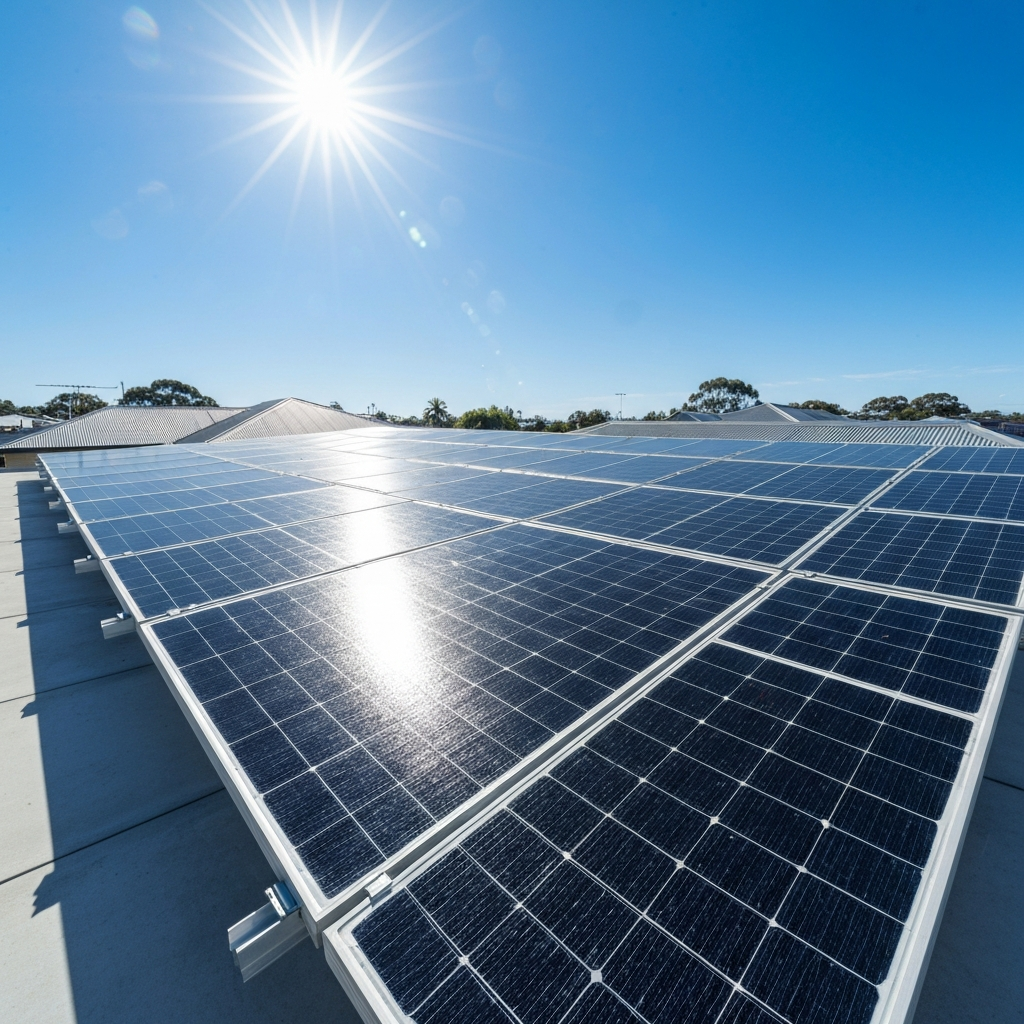
Solar panel cleaning frequency isn’t one-size-fits-all across Australia. Your location determines how quickly dirt, salt, pollen and bird droppings accumulate on your panels — and how much energy you’re losing if you wait too long between cleans.
Queensland’s tropical humidity creates different cleaning demands than Victoria’s temperate climate or NSW’s varied conditions. This guide breaks down exactly how often you should clean your solar panels based on where you live and what environmental factors affect your system.
Why Location Matters for Solar Panel Cleaning
Australian solar systems face dramatically different environmental challenges depending on their state and proximity to natural features.
Queensland panels contend with high humidity, storm season dust, coastal salt spray, and year-round bird activity. The subtropical climate means organic growth like lichen can establish faster on panel surfaces, particularly in shaded areas.
New South Wales experiences the country’s widest climate variation — coastal properties battle salt accumulation while western regions face persistent red dust. Sydney’s urban pollution creates a different grime layer than what panels collect in rural areas.
Victoria’s temperate climate brings distinct seasonal challenges. Spring pollen counts can blanket panels in a sticky yellow film, while Melbourne’s changeable weather means panels get natural rinsing but also heavy bird activity during nesting season.
A study by the University of New South Wales found that uncleaned solar panels in Sydney lost 15-20% efficiency over 12 months, while panels in dustier western regions lost 25-30% in the same timeframe (Source: UNSW Solar Research, 2023).
Recommended Cleaning Schedule for Queensland
Queensland solar owners should plan for 2-3 professional cleans per year as a baseline, with adjustments based on specific location factors.
Coastal Queensland (0-20km from ocean): Clean every 4 months. Salt spray accumulates rapidly on panels in Brisbane coastal suburbs, the Gold Coast, Sunshine Coast, and Townsville. Salt residue attracts moisture and creates a stubborn film that reduces light transmission even when panels look relatively clean.
Southeast Queensland urban areas: Clean twice yearly — once before summer (October/November) and once after storm season (March/April). Brisbane, Ipswich and Logan properties typically accumulate moderate dust and bird droppings but benefit from occasional heavy rain rinses.
Inland Queensland: Clean 2-3 times yearly depending on dust exposure. Toowoomba and properties west of the Great Dividing Range face more wind-blown dust, particularly during dry winter months. If your area experiences dust storms, schedule an additional clean within two weeks of major dust events.
Far North Queensland: Clean every 4-5 months. The tropical climate in Cairns and surrounding regions promotes faster organic growth on panels, and cyclone season can deposit heavy debris and salt spray even on inland properties.
Monitor your system’s output through your inverter app or monitoring system. If you notice a drop of more than 10% compared to the same month in previous years, inspect your panels for buildup and schedule cleaning regardless of your regular schedule.
Recommended Cleaning Schedule for NSW
New South Wales solar panels need cleaning 1-3 times per year depending on your specific microclimate and distance from major dust or salt sources.
Sydney and coastal regions: Clean 2-3 times yearly. Properties within 5km of the coast should clean every 4-6 months due to salt accumulation. Eastern suburbs, Northern Beaches, and Wollongong properties face consistent salt spray that creates a hazy film reducing panel efficiency by 15-25% annually (Source: Clean Energy Council, 2024).
Western Sydney and inland urban: Clean 1-2 times per year. Parramatta, Penrith and Campbelltown properties collect urban pollution and dust but typically receive enough rainfall to naturally rinse panels between professional cleans. Schedule cleaning in spring (September/October) and optionally again in autumn.
Western NSW and rural areas: Clean 2-4 times per year. Dubbo, Orange, Bathurst and regions west face significant red dust accumulation, particularly during drought periods. After dust storms, panels can lose 30-40% efficiency within days. These areas benefit from post-dust storm cleaning and seasonal maintenance.
South Coast and Highlands: Clean 1-2 times yearly. Areas like the Southern Highlands and South Coast typically maintain cleaner panels due to regular rainfall, but spring pollen and occasional bushfire smoke may require additional attention.
If you’re unsure whether your panels need cleaning, the water test works well: spray panels with a hose and observe how water behaves. If water sheets off cleanly, panels are relatively clean. If water beads up or leaves streaky patterns, accumulated grime is present and cleaning is due.
Recommended Cleaning Schedule for Victoria
Victorian solar panels generally need cleaning 1-2 times per year, with timing more important than frequency in this temperate climate.
Melbourne metro area: Clean 1-2 times yearly. Inner Melbourne properties benefit from regular rainfall that naturally rinses panels, but autumn leaf fall and spring pollen still create efficiency losses. Optimal timing is late December (after spring pollen) and optionally in May (before winter when every percentage of efficiency matters due to shorter days).
Coastal Victoria: Clean twice yearly. Geelong, Mornington Peninsula, and Bellarine Peninsula properties face moderate salt spray that builds up gradually. Unlike Queensland’s heavy salt accumulation, Victorian coastal properties can usually maintain good output with bi-annual cleaning scheduled for summer and winter.
Rural and regional Victoria: Clean 1-2 times per year depending on local conditions. Ballarat, Bendigo, and Shepparton properties collect agricultural dust and pollen but typically stay cleaner than their NSW inland equivalents. Spring cleaning after pollen season is essential, with an optional autumn clean if you’re near farming operations or unpaved roads.
High pollen areas: Add an extra clean in January if your property has extensive eucalyptus trees nearby or you’re in a high pollen zone. Victoria’s spring pollen creates a sticky residue that doesn’t rinse off easily with rain and can reduce panel efficiency by 12-18% if left until winter.
Victorian solar owners should pay particular attention to output monitoring during winter months (June-August). Even small amounts of dirt have greater impact when sun angles are lower and daylight hours are reduced. A clean performed in May ensures maximum winter production when you need it most.
Factors That Increase Cleaning Frequency
Certain environmental and structural factors mean your panels need cleaning more often than the state baseline recommendations.
Bird activity: Properties with established bird roosting nearby need cleaning every 3-4 months regardless of state. Bird droppings are highly acidic and create hard, cement-like deposits that block significant panel area. If you notice birds regularly on or near your panels, consider bird proofing solutions alongside more frequent cleaning.
Tree coverage: Panels shaded by trees or near deciduous trees collect more organic debris, sap, and leaf matter. Increase cleaning frequency by 50% if your panels are within 10 metres of tree canopies. Autumn cleaning is essential for properties with nearby deciduous trees.
Unpaved roads or construction: If your property is within 100 metres of unsealed roads or active construction, dust accumulation accelerates dramatically. You may need cleaning every 2-3 months during dry periods or active construction phases.
Agricultural areas: Properties near farms, particularly grain operations or livestock areas, collect more airborne dust and organic material. Schedule cleaning after harvest season and again before summer.
Industrial zones: Solar systems in industrial areas accumulate airborne pollutants that create a stubborn film on panels. These properties typically need professional cleaning rather than simple rinsing, as industrial grime requires proper detergent and technique to remove without damaging panels.
Steep roof pitch: Panels on roofs with pitch less than 10 degrees don’t self-clean as effectively during rain. Flat or low-pitch installations need 50% more frequent cleaning than the same system on a 20-degree pitch roof.
Signs Your Panels Need Immediate Cleaning
Don’t wait for your scheduled cleaning if you notice these warning signs indicating immediate efficiency loss.
Visible dirt layer: If you can see brown, grey or white residue on panels from ground level, buildup is significant enough to warrant immediate cleaning. Light dust isn’t always visible, but heavy accumulation is obvious even from 5-10 metres away.
Output drop of 10% or more: Compare your current daily production to the same month in previous years using your monitoring system. A sustained drop of 10% or more that isn’t explained by weather changes indicates cleaning is overdue.
Streaking or water marks: If rain leaves obvious streaking patterns or water marks on panels rather than rinsing cleanly, mineral buildup or grime is present that requires professional cleaning.
Bird droppings: Even small amounts of bird droppings create disproportionate efficiency losses because they block cells in concentrated areas. Schedule cleaning within 2-3 weeks of noticing bird deposits.
Post-storm residue: After major storms, dust storms, or bushfire smoke events, inspect panels within a week. Storm activity can deposit heavy soil, ash or salt that requires prompt removal to prevent longer-term etching or staining.
Pollen coverage: Yellow or green pollen film is most obvious after spring rain. If panels have visible pollen residue, cleaning should happen within 3-4 weeks, as pollen becomes sticky and harder to remove the longer it sits.
If you’re considering DIY cleaning, ensure you understand proper techniques and safety requirements. Improper cleaning can void warranties or damage panel coatings.
Seasonal Timing Recommendations by State
Optimal cleaning timing aligns with seasonal patterns specific to each state’s climate.
Queensland seasonal schedule:
- October/November: Pre-summer clean before peak production season begins
- March/April: Post-storm season clean to remove accumulated dust and debris
- Optional July clean: Mid-dry season maintenance for inland properties with high dust exposure
NSW seasonal schedule:
- September/October: Spring clean before summer production peak, after winter dust accumulation
- January/February: Post-pollen clean in urban areas, post-harvest clean in agricultural regions
- Optional June clean: Pre-winter maintenance for coastal properties with salt buildup
Victoria seasonal schedule:
- December/January: Post-spring pollen clean ensuring maximum summer output
- May/June: Pre-winter clean to maximise production during short winter days
- Optional March clean: For properties near deciduous trees, post-autumn leaf fall
Avoid cleaning during extreme heat (above 35°C) as rapid temperature changes from cold water on hot panels can cause micro-cracking. Similarly, don’t clean panels when frost is present or expected, as thermal shock risks damaging glass and seals.
Professional cleaning services often offer seasonal discounts during their quieter periods. In Queensland, winter months (June-August) often have lower pricing. In Victoria and NSW, late summer and early autumn (February-April) typically offer better rates as demand drops after the peak summer cleaning season.
How to Monitor Panel Performance
Regular monitoring helps you identify when cleaning is actually needed rather than following a rigid schedule that might mean paying for unnecessary services or waiting too long between cleans.
Most modern inverters include monitoring apps that track daily, monthly and yearly production. Set up your monitoring system to send alerts when daily production drops below expected levels for current weather conditions.
Establish your baseline: During your first year with solar, note your average daily production for each month. This becomes your comparison benchmark for future years. A properly maintained system should produce within 5-8% of these baseline figures when weather conditions are similar.
Weather-adjusted monitoring: Don’t panic over day-to-day variations due to clouds or rain. Look for sustained drops over 7-10 days compared to the same period in previous years. Most monitoring systems now include weather normalisation that accounts for cloud cover when calculating expected vs actual production.
The neighbour comparison: If you have neighbours with similar systems installed at the same angle and time, comparing outputs can reveal whether underperformance is due to dirty panels or other system issues. A significant gap between similar systems in the same street often indicates one system needs cleaning.
Professional assessment: Most professional solar cleaning services include a basic performance check and can identify whether underperformance is due to dirt, shading, equipment faults or other issues. This diagnostic value often justifies the cleaning cost even if panels aren’t heavily soiled.
Consider downloading energy monitoring apps that provide more detailed analytics than basic inverter displays. Apps like Solar Analytics or Fronius Solar.web provide degradation analysis, fault detection, and cleaning impact measurement that helps optimise your maintenance schedule over time.
Cost vs Benefit of Regular Cleaning
Understanding the financial return of regular cleaning helps you determine the optimal frequency for your specific circumstances.
A typical 6.6 kW system generates 24-28 kWh per day in optimal conditions. If dirt accumulation reduces output by 15%, you’re losing 3.6-4.2 kWh daily. At current electricity rates of 25-35 cents per kWh, that’s approximately $1.00-$1.50 per day or $30-$45 per month in lost production.
Professional cleaning costs $150-$250 for a standard residential system. If cleaning recovers 15% lost efficiency, the service pays for itself within 3-6 months through increased production. Even conservative cleaning that recovers 10% efficiency typically breaks even within one billing cycle.
Queensland cost-benefit: With 2-3 cleans yearly at $180-$220 each, annual cleaning costs $400-$660. The efficiency gain typically returns $600-$900 in additional production, delivering net benefit of $200-$300 annually.
NSW cost-benefit: With 1-2 cleans yearly at $160-$240 each, annual cleaning costs $160-$480. Efficiency recovery typically delivers $400-$700 in additional production value, providing net benefit of $220-$520 annually.
Victoria cost-benefit: With 1-2 cleans yearly at $170-$230 each, annual cleaning costs $170-$460. Production gains usually return $350-$600 in value, creating net benefit of $180-$430 annually.
These calculations assume moderate dirt accumulation. Properties facing heavy bird activity, coastal salt, or dust exposure see proportionally higher returns because their efficiency losses without cleaning are more severe (often 20-30% rather than 10-15%).
The payback is even clearer when you factor in long-term panel health. Panels maintained with regular cleaning last longer, maintain better efficiency over their 25-year lifespan, and avoid permanent damage from corrosive bird droppings or acidic buildup that can etch protective coatings.
Frequently Asked Questions
How often should I clean solar panels in Queensland?
Most Queensland solar panels need cleaning 2-3 times per year due to high humidity, coastal salt exposure, and storm season dust. Brisbane and Gold Coast properties near the coast should clean every 4 months, while inland areas like Toowoomba can manage twice yearly. Monitor your system output and schedule additional cleaning if you notice production drops of 10% or more compared to previous years.
Do NSW solar panels need more frequent cleaning than other states?
It depends on location. Sydney coastal properties need cleaning 2-3 times yearly due to salt spray, while western NSW regions like Dubbo face heavy dust and may need cleaning every 3-4 months during dry periods. Urban areas typically need annual or bi-annual cleaning. NSW’s varied climate means cleaning frequency ranges more widely than Queensland or Victoria.
How often do Victorian solar panels need cleaning?
Most Victorian systems need cleaning once or twice per year. Melbourne’s variable weather naturally rinses panels, but rural areas prone to dust storms or high pollen counts may require more frequent attention, especially after summer and spring. Properties near eucalyptus trees should schedule extra cleaning in January after spring pollen season creates sticky residue on panel surfaces.
What time of year is best to clean solar panels in each state?
In Queensland, clean before summer (October) and after storm season (March). NSW systems benefit from pre-summer cleaning (November) and post-pollen cleaning (January). Victorian panels should be cleaned after spring pollen (December) and before peak winter production loss (May). Avoid cleaning during extreme heat or when frost is present to prevent thermal shock damage.
Can I extend time between cleanings if it rains regularly?
Rain helps rinse light dust but doesn’t remove bird droppings, pollen, salt spray, or oily urban pollution. Properties receiving regular heavy rainfall may extend cleaning intervals by 1-2 months, but annual professional cleaning remains necessary even in high-rainfall areas. Rain actually makes some residues (like pollen) stickier and harder to remove later.
How do I know if my panels need cleaning between scheduled services?
Monitor your system’s daily output through your inverter app. If production drops 10% or more compared to similar weather days in previous months, cleaning is likely needed. Visible dirt, bird droppings, water streaking after rain, or pollen coverage are clear signs. Many monitoring systems now include alerts for unexpected production drops that may indicate dirty panels.
Sources
- UNSW Solar Research Centre — University research on solar panel efficiency degradation across Australian climate zones
- Clean Energy Council — Australian solar industry standards and maintenance recommendations
- Bureau of Meteorology — Climate data and seasonal patterns affecting solar panel performance
- Solar Analytics — Solar monitoring and performance analysis data
Frequently Asked Questions
Most Queensland solar panels need cleaning 2-3 times per year due to high humidity, coastal salt exposure, and storm season dust. Brisbane and Gold Coast properties near the coast should clean every 4 months, while inland areas like Toowoomba can manage twice yearly.
It depends on location. Sydney coastal properties need cleaning 2-3 times yearly due to salt spray, while western NSW regions like Dubbo face heavy dust and may need cleaning every 3-4 months during dry periods. Urban areas typically need annual or bi-annual cleaning.
Most Victorian systems need cleaning once or twice per year. Melbourne's variable weather naturally rinses panels, but rural areas prone to dust storms or high pollen counts may require more frequent attention, especially after summer and spring.
In Queensland, clean before summer (October) and after storm season (March). NSW systems benefit from pre-summer cleaning (November) and post-pollen cleaning (January). Victorian panels should be cleaned after spring pollen (December) and before peak winter production loss (May).