Solar Panel Bird Proofing Cost Australia 2025 Guide
Complete 2025 pricing guide for solar panel bird proofing in Australia. Compare mesh, spikes and DIY costs, plus what affects price across all states.
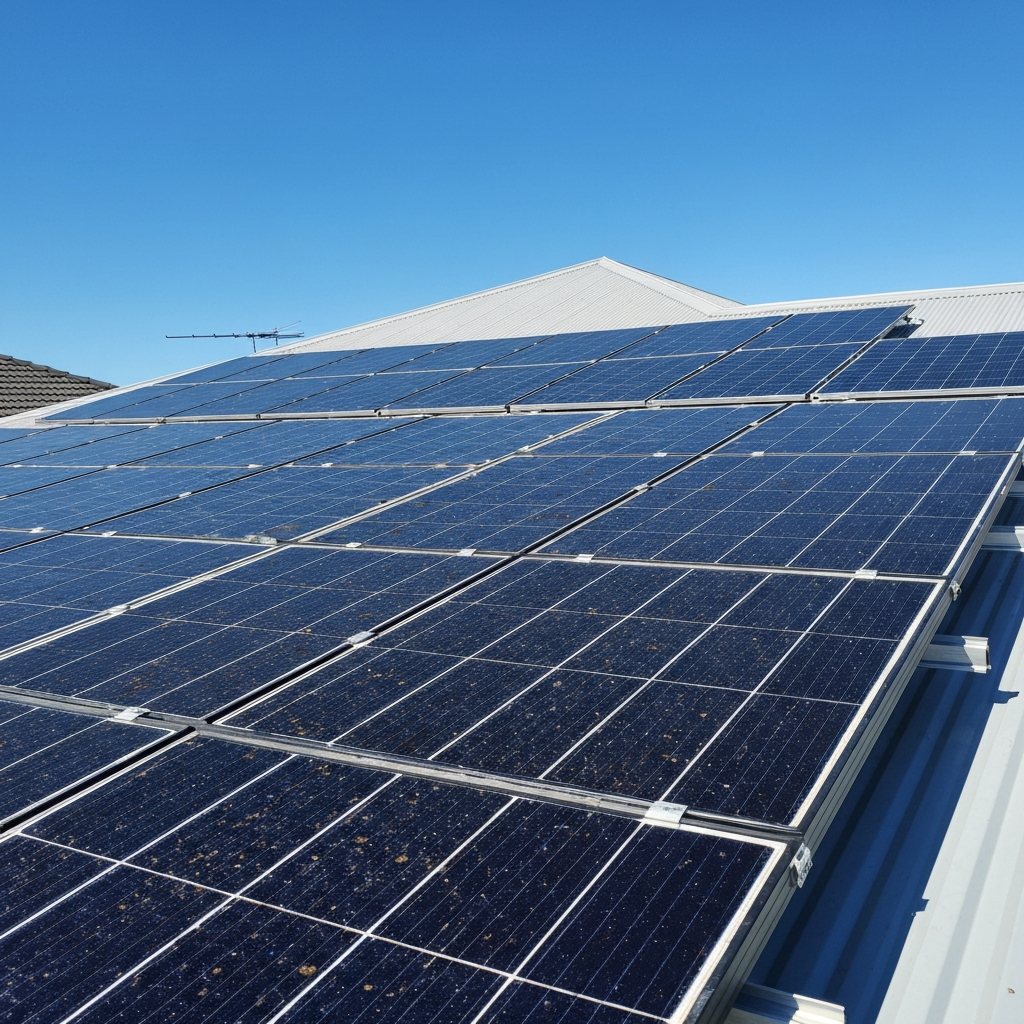
Birds nesting under your solar panels creates more than just noise problems. Pigeons, starlings, and Indian mynas leave droppings that corrode panels, build nests that trap moisture, and create fire risks from dried materials near electrical connections. If you’ve noticed birds congregating around your solar array, you’re facing a problem that costs Australian homeowners thousands in damaged panels and lost efficiency every year.
This guide breaks down exactly what you’ll pay for professional bird proofing in 2025, what affects the solar panel bird proofing cost, and how to choose the right solution for your system.
Average Bird Proofing Costs by System Size
Your system size directly impacts bird proofing cost because larger arrays require more materials and installation time.
Standard residential systems:
- 3 kW system (10–12 panels): $250–$400
- 6.6 kW system (18–20 panels): $350–$600
- 10 kW system (28–32 panels): $550–$900
- Commercial systems (15+ kW): $900–$2,500+
These prices reflect professional installation using galvanised steel mesh with proper solar panel clips. Your actual cost depends on roof accessibility, pitch, and height (Source: Solar Choice, 2024).
A standard 6.6 kW system — the most common residential size in Australia — typically costs $400–$500 for complete perimeter bird proofing in metropolitan areas. Regional installers may charge slightly less due to lower operating costs, while difficult roof access can add $100–$200 to any quote.
Bird Proofing Methods & Their Costs
Different bird proofing methods suit different budgets and bird problems. Here’s what each option costs and when it works best.
Mesh Systems ($350–$600)
Galvanised steel mesh attached with specialised clips creates a physical barrier around your panel perimeter. The mesh sits between the panel edge and roof surface, blocking access without touching the panels themselves.
Cost breakdown:
- Materials: $120–$200
- Labour (2–3 hours): $200–$350
- Service call: $30–$50
Mesh systems provide the most comprehensive protection and typically last 8–12 years before requiring replacement. The stainless steel or powder-coated aluminium clips attach to the panel frame — not the roof — so they don’t void your warranty or create leak points.
This method works best for determined birds like pigeons that will exploit any gap. Melbourne, Sydney, and Brisbane homeowners dealing with persistent pigeon problems should prioritise mesh over cheaper alternatives.
Spike Systems ($250–$450)
Plastic or metal spikes attach to the panel edges, making it uncomfortable for birds to land. While cheaper than mesh, spikes only deter landing — they don’t physically block access.
Cost breakdown:
- Materials: $80–$150
- Labour (1.5–2.5 hours): $150–$250
- Service call: $30–$50
Spike systems work reasonably well for larger birds but small species can still squeeze through. Expect to replace plastic spikes every 3–5 years as UV exposure makes them brittle. Metal spikes last longer but cost 30–40% more.
Spikes suit properties with occasional bird activity rather than established nesting problems. If you already have nests under your panels, remove them professionally before installing spikes or the birds will simply return.
Wire Systems ($200–$400)
Tensioned wire runs along panel edges, creating an unstable landing surface that deters birds. This minimalist approach costs less but provides the least reliable protection.
Cost breakdown:
- Materials: $60–$100
- Labour (1–2 hours): $120–$250
- Service call: $30–$50
Wire systems work for very mild bird pressure but fail against determined nesters. The wires can also sag over time, especially in hot Australian conditions, requiring retensioning or replacement every 2–4 years.
Consider wire systems only if you’re dealing with occasional bird visits rather than active nesting, or if roof restrictions prevent mesh installation.
Factors That Affect Your Bird Proofing Cost
Several variables push your final price above or below the averages. Understanding these helps you evaluate quotes accurately.
Roof Type & Pitch
Tile roofs cost $50–$100 more to bird-proof than Colorbond metal roofs because installers must navigate fragile tiles carefully. Steep roofs (pitches above 25 degrees) add another $80–$150 due to slower work speeds and additional safety equipment requirements.
Single-storey homes with low-pitch roofs represent the cheapest installation scenario. Two-storey homes or roof pitches exceeding 30 degrees move you into the upper cost ranges automatically.
Access Difficulty
Easy ground-level or ladder access keeps costs down. If your installer needs scaffolding, roof anchors, or elevated work platforms, expect to pay $150–$400 extra depending on setup complexity.
Properties with narrow side access, overhanging trees, or no safe ladder placement point create access challenges that increase labour time substantially. North-facing panels on two-storey homes typically cost the most to bird-proof because they’re hardest to reach safely.
Existing Bird Nests
If birds have already nested under your panels, removal costs $80–$200 extra depending on nest size and quantity. Professional removal includes disposing of nesting material, cleaning bird droppings (which can reduce panel efficiency by 15–30%), and sanitising the area (Source: CSIRO, 2023).
Never remove active nests containing eggs or chicks yourself — most Australian bird species are protected under state wildlife acts, and disturbing active nests can result in fines up to $15,000 in some states.
Location & Service Call Fees
Metropolitan areas offer more competitive pricing due to higher installer density. Regional customers often pay $30–$80 extra in service call fees if you’re outside the installer’s usual coverage area.
Metropolitan vs regional pricing:
- Sydney, Melbourne, Brisbane: $350–$550 (standard 6.6 kW system)
- Regional NSW, Victoria, Queensland: $400–$600
- Remote areas: Quote-dependent, often $500–$750+
Perth and Adelaide prices fall slightly below east coast averages, typically $320–$520 for standard systems, due to different market conditions and bird pressure levels.
Warranty Coverage
Premium installers charging $450–$600 typically include 3–5 year workmanship warranties covering clip failure, mesh degradation, or birds finding gaps. Budget installers at $300–$400 may only offer 12-month coverage or none at all.
The warranty difference matters. Clip failure after two years means paying full installation costs again with budget installers, while premium installers return and fix problems at no charge.
DIY Bird Proofing Costs & Considerations
DIY kits cost $150–$350 for a standard system, offering significant savings over professional installation. However, DIY bird proofing requires working at heights, proper safety equipment, and careful installation to avoid voiding your solar warranty.
DIY kit components:
- Galvanised mesh roll (10–20 metres): $80–$150
- Solar panel clips (50–100 pack): $50–$120
- Cable ties or fixings: $10–$30
- Tools (if needed): $50–$100
Most solar panel warranties specifically prohibit unauthorised modifications, including DIY bird proofing that damages the panel frame or creates drainage issues. If your panels are still under warranty — most residential systems have 10–25 year product warranties — check your terms before proceeding.
DIY installation also requires roof safety equipment. Falls from roofs cause approximately 25% of workplace fatalities in construction, and residential falls carry similar risks (Source: SafeWork Australia, 2024). You’ll need a properly rated harness ($150–$300), anchor points ($50–$150), and a stable ladder system ($200–$400) if you don’t already own them.
For most homeowners, professional installation makes more sense from both safety and warranty perspectives. However, if you have proper equipment, roof access experience, and a single-storey low-pitch roof, DIY can work well. Just avoid touching the panels themselves or drilling into your roof surface — both void warranties immediately.
If you’re considering other maintenance tasks yourself, read our complete guide on DIY solar panel cleaning to understand which jobs suit DIY approaches and which require professionals.
How to Choose a Bird Proofing Installer
The cheapest quote isn’t always the best value when it comes to solar panel bird proofing. Look for these specific qualifications and guarantees.
Essential Credentials
Your installer should hold:
- Current electrical licence: Required in all states for working near solar systems
- Working at heights certification: Shows proper safety training
- Public liability insurance: Minimum $10 million coverage protects you from damage claims
- Solar-specific experience: Generic pest control companies often damage panels
Ask to see credentials before accepting any quote. Licensed electricians with solar experience typically charge $400–$600 but properly understand DC isolation, panel frame construction, and warranty requirements.
Warranty & Guarantee Questions
Before signing any agreement, confirm:
- Workmanship warranty length (minimum 2 years recommended)
- What the warranty covers (materials, labour, return visits)
- Whether the installation method complies with your panel warranty
- If they guarantee birds won’t access the protected area
Get warranty terms in writing. Verbal promises mean nothing if birds find a gap six months later and the installer refuses to return.
Material Quality
Not all mesh and clips are equal. Quality indicators include:
- Galvanised or stainless steel mesh: Lasts 8–12 years vs 3–5 years for basic aluminium
- UV-stabilised clips: Prevent brittleness and cracking in Australian sun
- Powder-coated fixings: Resist rust in coastal areas
- Aperture size: 10–15mm spacing blocks even small birds
Cheap plastic clips break down within 2–3 years, requiring complete reinstallation. Quality clips cost $1–2 more per unit but last three times longer, making them better value despite higher upfront costs.
Regional Price Variations Across Australia
Bird proofing costs vary by state due to labour rates, bird pressure, and market competition. Here’s what you’ll typically pay in major Australian cities.
New South Wales
Sydney metro: $380–$600 (standard 6.6 kW system)
High installer density creates competitive pricing in metropolitan areas, but Sydney’s aggressive pigeon populations mean you need quality mesh systems rather than cheaper spikes. Regional NSW areas pay $420–$650 due to service call fees.
Victoria
Melbourne metro: $350–$550
Victoria’s cooler climate moderates bird activity slightly, and strong installer competition keeps prices reasonable. However, Melbourne’s heritage tile roofs often increase costs by $80–$120 compared to modern Colorbond installations.
Queensland
Brisbane metro: $370–$580
Queensland’s year-round warm weather creates persistent bird problems, making bird proofing particularly worthwhile. Gold Coast and Sunshine Coast properties within 5km of the ocean should specify powder-coated or stainless steel materials to prevent salt corrosion.
South Australia
Adelaide metro: $320–$500
Adelaide offers some of Australia’s most competitive bird proofing prices due to lower labour costs and less aggressive bird populations. Regional SA areas pay similar prices due to shorter travel distances.
Western Australia
Perth metro: $330–$520
Perth’s isolated market creates moderate pricing with less competition than east coast cities. However, Perth’s harsh summer UV conditions mean you should prioritise UV-stabilised materials even if they cost $50–$80 extra.
When to Consider Bird Proofing
Don’t wait until you have an established bird problem. These signs indicate you should bird-proof soon:
- Birds regularly landing on or near your panels
- Droppings visible on panels or the roof area below
- Scratching or cooing sounds from the roof
- Visible nesting materials (sticks, straw) at panel edges
- Panel efficiency dropping without obvious cause
The ideal time to install bird proofing is within the first year after solar installation, before birds discover the sheltered space. Retrofitting bird proofing after birds have nested requires additional cleaning costs and potentially longer installation time.
Properties near parks, waterways, or areas with established pigeon populations should consider bird proofing as essential rather than optional. The cost of bird proofing is almost always less than the combined costs of regular professional cleaning, panel repairs, and efficiency losses over 5–10 years.
Understanding your overall solar panel cleaning costs helps you see how bird proofing reduces long-term maintenance expenses significantly.
Bird Proofing vs Regular Cleaning Costs
Bird proofing represents a one-time investment that reduces your ongoing cleaning frequency and costs substantially.
Without bird proofing:
- Professional cleaning every 3–6 months: $180–$250 per visit
- Annual cleaning cost: $360–$1,000
- Potential panel damage: $500–$2,000+ for bird dropping corrosion
With bird proofing:
- Upfront cost: $350–$600 (one-time)
- Professional cleaning annually: $180–$250 per visit
- Annual cleaning cost: $180–$250
- Damage risk: Minimal
Most homeowners recover their bird proofing investment within 12–24 months through reduced cleaning frequency alone. Add the eliminated risk of panel damage or voided warranties, and bird proofing becomes essential for any property with regular bird activity.
Questions to Ask Before Getting Quotes
Get accurate comparable quotes by asking these specific questions:
- Does your price include nest removal? Some quotes exclude existing nest cleanup, adding $80–$200 later
- What material grade do you use? Generic “mesh” might be thin aluminium rather than durable galvanised steel
- How do you attach to the panels? Drilling into frames voids warranties — clips should attach to existing frame edges only
- What’s included in your warranty? Workmanship only, or both materials and labour?
- Do you carry solar-specific insurance? General pest control insurance may not cover solar equipment damage
- Can you provide recent references? Local references let you verify work quality before committing
Get at least three written quotes specifying material types, warranty terms, and exactly what’s included. Verbal quotes or quotes lacking detail create disputes later when the final invoice exceeds expectations.
Frequently Asked Questions
How much does solar panel bird proofing cost in Australia?
Professional solar panel bird proofing typically costs $300–$600 for a standard 6.6 kW residential system in 2025. Mesh systems with clips cost $350–$600, while spike installations cost $250–$450. Prices vary by roof type, location, and system size. Regional areas may pay slightly more due to service call fees.
Is bird proofing solar panels worth the cost?
Yes. Bird nesting causes panel efficiency losses of 15–30%, creates fire hazards from nesting materials, and can void your warranty. The cost of bird proofing is typically recovered within 12–18 months through improved panel performance and avoided cleaning expenses. Properties with regular bird activity should consider bird proofing essential.
How long does solar bird proofing last?
Quality galvanised steel mesh with UV-stabilised clips lasts 8–12 years in Australian conditions. Most professional installers offer 2–5 year workmanship warranties. Annual inspections help identify any loose clips or mesh gaps before birds find them. Cheap plastic systems may need replacement after just 3–5 years.
Can I install bird proofing myself to save money?
DIY bird proofing kits cost $150–$350 but require working at heights and risk damaging panels or voiding warranties. Unless you have proper roof safety equipment and experience, professional installation is strongly recommended for safety and warranty protection. Most panel manufacturers prohibit unauthorised modifications to their products.
What’s the best bird proofing method for solar panels?
Galvanised steel mesh with specialised solar clips provides the most reliable long-term protection. It physically blocks access without touching the panels, lasts 8–12 years, and doesn’t void warranties when properly installed. Spike systems cost less but allow small birds through, while wire systems only suit very mild bird pressure.
Will bird proofing void my solar panel warranty?
Not if installed correctly using proper clips that attach to panel frames without drilling or adhesives. However, DIY installations or improper professional work can void warranties. Always verify your installer uses warranty-compliant methods and get confirmation in writing before proceeding with installation.
How much does bird nest removal cost?
Professional bird nest removal from under solar panels costs $80–$200 depending on nest size and quantity. This includes disposing of nesting material, cleaning bird droppings that reduce efficiency, and sanitising the area. Never remove active nests yourself — most Australian bird species are legally protected.
Does bird proofing reduce solar panel efficiency?
No. Properly installed bird proofing using perimeter mesh doesn’t shade panels or affect output. In fact, preventing bird droppings and nesting typically increases efficiency by 15–30% compared to unprotected panels with regular bird activity. The small gap between mesh and roof allows normal airflow for cooling.
Sources
- Solar Choice — Australian solar installation pricing data and consumer guides
- CSIRO Energy — Research on solar panel efficiency and maintenance impacts
- SafeWork Australia — Workplace safety statistics and working at heights regulations
- Clean Energy Council — Solar industry standards and installer accreditation requirements
Frequently Asked Questions
Professional solar panel bird proofing typically costs $300–$600 for a standard 6.6 kW residential system in 2025. Mesh systems with clips cost $350–$600, while spike installations cost $250–$450. Prices vary by roof type, location, and system size.
Yes. Bird nesting causes panel efficiency losses of 15–30%, creates fire hazards from nesting materials, and can void your warranty. The cost of bird proofing is typically recovered within 12–18 months through improved panel performance and avoided cleaning expenses.
Quality galvanised steel mesh with UV-stabilised clips lasts 8–12 years in Australian conditions. Most professional installers offer 2–5 year workmanship warranties. Annual inspections help identify any loose clips or mesh gaps before birds find them.
DIY bird proofing kits cost $150–$350 but require working at heights and risk damaging panels or voiding warranties. Unless you have proper roof safety equipment and experience, professional installation is strongly recommended for safety and warranty protection.