Possum Damage to Solar Panels in Australia: What It Looks Like and What to Do
Possums nesting under solar panels cause wiring damage, noise, and costly repairs. This guide covers identification, prevention, and legal removal options for Australian homeowners.
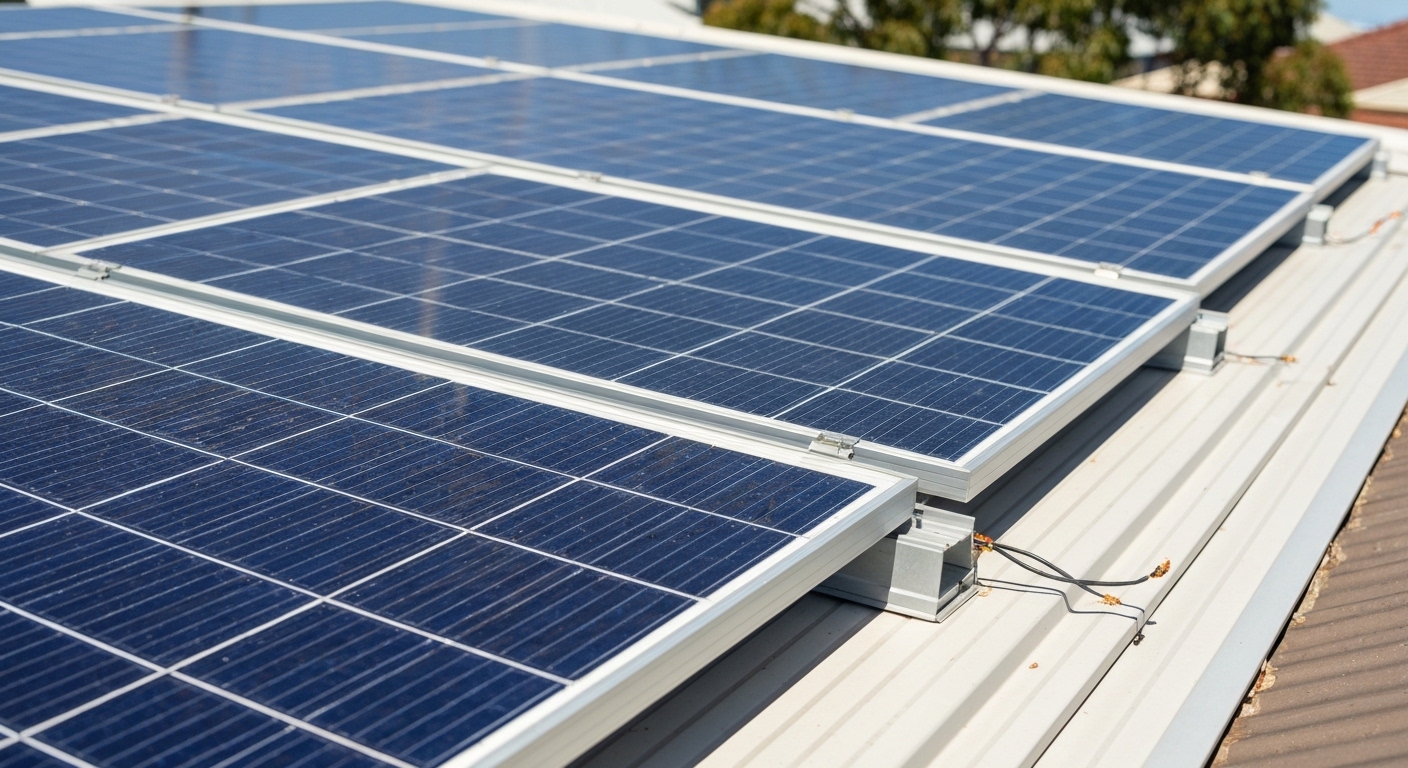
Australia’s two most common urban possum species — the Common Brushtail (Trichosurus vulpecula) and the Common Ringtail (Pseudocheirus peregrinus) — have discovered that rooftop solar panels create perfect nesting sites. The warm, sheltered cavity beneath your panels mimics a hollow tree. For solar panel owners, this creates problems ranging from noisy disturbance to thousands of dollars in wiring damage.
Unlike birds, possums are heavier and more destructive. They’re also legally protected in every Australian state and territory. You can’t simply remove them — but you can exclude them.
This guide explains what possum damage to solar panels looks like, how to identify it early, and what steps you can legally take to protect your solar investment.
Why Possums Choose Solar Panel Arrays
Possums seek shelter that offers:
- Warmth — panels stay warmer than surrounding roof tiles at night because they retain heat absorbed during the day
- Weather protection — the panel overhang creates a dry, protected cavity similar to a tree hollow
- Height and safety — roof height protects them from ground predators like foxes, dogs, and cats
- Food access — urban gardens, fruit trees, and native plants are within easy reach
Modern solar arrays covering large sections of roof have created some of the most attractive possum habitat in Australian suburbs. A standard 10–13 kW system offers multiple entry points and plenty of nesting space.
Types of Possum Damage to Solar Panels
Electrical Wiring Damage
This is the most common and dangerous type of possum damage to solar panels. Possums chew through:
-
DC cable runs between panels — these black cables carry high-voltage direct current. When possums chew through the insulation, they expose live wires. This creates serious fire risk, especially in hot weather when DC current peaks.
-
Cable ties and conduit — possums consistently chew the plastic components that hold cables in place. Loose cables can contact the roof or metal racking, creating arcing risk.
-
Optimiser and microinverter connections — these small boxes attached to each panel are particularly vulnerable. Possums can sever connections entirely.
Physical and Structural Damage
Heavy brushtail possums weighing up to 4.5 kg can:
- Dislodge mounting clamps by repeatedly pushing against the same point
- Push debris into drainage gaps between panel rows, causing water to pool
- Scratch and damage roof cladding beneath the panels
- Bend or warp thin aluminium racking components
System Performance Issues
Possum damage to solar panels causes measurable output drops:
- Chewed cables create ground faults that trigger inverter shutdowns
- Damaged connections reduce string performance
- Debris accumulation blocks airflow and increases panel temperature
- Repeated shutdowns reduce overall system lifespan
Hygiene and Corrosion Problems
Possum urine and droppings under panels create:
- Corrosion of aluminium racking over time
- Algae and mould growth on roof cladding
- Unpleasant smells that penetrate into the roof cavity
- Attraction of other pests like cockroaches and rodents
Which Possum Species Cause Solar Panel Damage?
Common Brushtail Possum (Trichosurus vulpecula)
Weight: 1.5–4.5 kg | Distribution: All mainland states and territories
The Brushtail causes the most severe possum damage to solar panels. Its size and weight can dislodge panel frames and compress cable runs. Brushtails are territorial and will defend a favoured roosting site aggressively.
Damage signature: Deep scratch marks on panel frames, heavy nesting material (bark, leaves, paper), large droppings (30–40 mm), chewed cables with wide bite marks.
Common Ringtail Possum (Pseudocheirus peregrinus)
Weight: 0.7–1.1 kg | Distribution: Eastern and south-western coastal Australia
Ringtails are smaller but cause different problems. They build elaborate stick nests called “dreys” in tight spaces — exactly the gap between panels and roof. They chew finer wiring more readily than Brushtails.
Damage signature: Finely woven nest material tightly packed into panel corners, thin bite marks on wiring insulation, smaller droppings (15–20 mm).
Western Ringtail Possum (Pseudocheirus occidentalis)
Status: Critically endangered | Distribution: South-west Western Australia
If you live in WA’s South West, the Western Ringtail is critically endangered. Any interaction — including accidental trapping — must be reported to DBCA (WA’s Department of Biodiversity, Conservation and Attractions). Early exclusion is essential.
How to Identify Possum Damage to Solar Panels Early
Early detection prevents major damage and costly repairs. Watch for these warning signs:
| Sign | What It Means |
|---|---|
| Thumping or scratching at dusk or dawn | Possums are nocturnal. Activity peaks at dusk (leaving to forage) and before dawn (returning) |
| Nesting material at panel edges | Leaves, twigs, shredded insulation pushed out from under panel skirts |
| Strong ammonia smell near roof | Possum urine has a distinctive odour you can detect from ground level |
| Unexplained output drops on specific strings | Check your inverter’s monitoring app for unusual performance patterns |
| Visible droppings on roof | Dark, cylindrical droppings 15–40 mm long, concentrated near panel perimeter |
| Scratch marks on frames or racking | Aluminium shows deep claw marks from heavy brushtails |
| Chewed conduit or cable ties | Often visible from roof edge without climbing |
| Inverter error messages | Ground fault or isolation warnings suggest wiring damage |
What Possum Damage to Solar Panels Actually Costs
Wiring Repairs
- Single cable repair: $150–$400 per panel
- Optimiser or microinverter replacement: $200–$500 each
- Main wiring harness damage: $500–$1,200
- Emergency callout fees: Add $150–$300
Panel Replacement
- Single panel replacement: $300–$600 installed
- Multiple panel replacement: $250–$500 each (volume discount)
- Matching older panels: Add 20–50% if exact model unavailable
System Downtime
- Lost generation during summer: $3–$8 per day
- Lost feed-in tariff credits: Varies by retailer
- Extended downtime waiting for parts: Can exceed repair costs
Insurance Excess
- Standard excess: $500–$1,000
- Age-based excess: Additional $500+ for systems over 5 years old
Average total cost for possum damage to solar panels: $600–$1,800 when repairs are covered by insurance. Out-of-pocket costs can exceed $3,000 for major wiring damage.
Legal Framework: What You Can and Can’t Do About Possums
Every Australian state protects possums under wildlife legislation:
| State/Territory | Relevant Legislation | Key Restrictions |
|---|---|---|
| NSW | Biodiversity Conservation Act 2016 | Cannot relocate more than 50m; licensed handlers only for trapped animals |
| VIC | Wildlife Act 1975 | Can trap and release on same property; cannot relocate |
| QLD | Nature Conservation Act 1992 | Licensed permit required to trap; release on same property |
| WA | Biodiversity Conservation Act 2016 (WA) | Licensed handler required; special rules for Western Ringtail |
| SA | National Parks and Wildlife Act 1972 | Cannot trap without permit; exclusion strongly recommended |
| TAS | Nature Conservation Act 2002 | Common Brushtail not protected — can be relocated, but humane methods required |
What this means: In every state except Tasmania, trapping and relocating possums away from your property is illegal without a licence. The legal and effective solution is exclusion — preventing access entirely.
How to Stop Possum Damage to Solar Panels
Professional Mesh Installation (Most Effective)
Steel mesh around your panel perimeter stops possums from accessing the cavity underneath. This is the same mesh used for bird proofing, but with important differences for possums:
Specifications for possum-proof mesh:
- Minimum 0.8mm galvanised steel wire (not chicken wire, which corrodes)
- Perimeter skirt height: 150–200mm (taller than bird mesh)
- Fastening: UV-resistant cable ties and stainless steel screws into racking
- No adhesive clips — possums can dislodge them
Professional installation cost: $350–$700 for a standard 6.6 kW array. Price varies with roof pitch, array size, and access difficulty.
Blocking Roof Access Points
If possums reach your roof from trees or structures, address these access routes:
- Trim tree branches — keep them at least 1.5m from the roof
- Install tree guards — plastic sleeves on downpipes stop possums climbing
- Use roller barriers — install on fence lines adjacent to the roof
- Seal roof penetrations — close gaps around pipes and vents
Providing Alternative Habitat
Installing a possum nesting box in a nearby tree can reduce solar panel intrusions. The possum may choose the box over your panels.
Wildlife Victoria and WIRES distribute free nesting box plans. Some local councils offer subsidised installations. Position boxes 4–6 metres high in established trees at least 3 metres from your house.
Humane Deterrents
These methods have limited effectiveness but may help:
- Motion-activated lights — possums prefer darkness
- Radio or ultrasonic devices — results vary
- Natural repellents — garlic spray, quassia chips (temporary only)
- Remove food sources — secure bins, remove fallen fruit
Important: Never use poison, glue traps, or physical harm. These are illegal for protected wildlife and inhumane.
What to Do If You Find a Possum Under Your Solar Panels
Follow these steps in order:
- Do not handle the possum — they bite, scratch, and carry mites
- Contact your local wildlife rescue group:
- WIRES: 1300 094 737 (NSW/QLD)
- Wildlife Victoria: 1300 094 535
- RSPCA: Your state number
- Turn off your solar system at the isolator switch
- Book a licensed solar installer to inspect for damage
- Install exclusion mesh before the possum returns
- Contact your insurer to check coverage
- Have a licensed electrician inspect DC wiring before turning the system back on
Never operate a solar system with suspected wiring damage. This creates serious fire risk.
Insurance and Warranty Coverage for Possum Damage
Manufacturer Warranties Don’t Cover Possum Damage
Solar panel and inverter warranties cover defects in materials and workmanship — not wildlife damage. Check your warranty documentation for exclusions like:
- “Physical damage”
- “External causes”
- “Misuse or neglect”
- “Animal or pest damage”
Possum damage to solar panels falls under these exclusions.
Home Insurance May Cover Repairs
Many comprehensive home and contents policies include “animal damage” or “sudden and accidental damage” clauses. Coverage varies by insurer.
Questions to ask your insurer:
- Does my policy cover possum chewing of solar DC cables?
- What’s my excess for this type of claim?
- Do I need an age-based excess for systems over 5 years old?
- Will a claim affect my premium or no-claim bonus?
Document Everything for Claims
If making an insurance claim:
- Take detailed photos before any repairs
- Keep chewed cable sections as evidence
- Get written assessments from the repairing electrician
- Keep all invoices for repairs and mesh installation
- Record dates and times of possum activity
- Note any system performance drops from monitoring data
Preventing Future Possum Damage to Solar Panels
Annual Roof Inspections
Check your roof and panels yearly for:
- New gaps in exclusion mesh
- Damaged or loose cable ties
- New access routes from trees
- Signs of attempted entry
Tree Management
Trim branches back from your roof every 6–12 months. Trees grow quickly, and branches that were safe last year may now provide access.
Maintain Exclusion Barriers
Check your mesh installation annually:
- Look for rust or corrosion
- Ensure fasteners are secure
- Check for gaps at panel corners
- Verify mesh hasn’t pulled away from racking
Monitor System Performance
Use your inverter’s monitoring app to:
- Track daily and monthly production
- Set alerts for unusual drops
- Check string-level performance
- Review error logs regularly
Unusual patterns often indicate developing problems, including possum damage to solar panels.
Summary
Possum damage to solar panels is a growing problem in Australian suburbs. These protected native animals cause real damage — primarily to DC wiring — creating fire risk and expensive repairs.
The combination of wildlife protection laws and the difficulty of roof access means removal is rarely legal or practical. Professional exclusion mesh installation is the permanent solution. It costs $350–$700 and prevents recurring damage, insurance claims, and the safety risk of exposed DC cabling.
If you suspect possum activity under your panels, address it immediately. Possum damage to solar panels is one of the more common causes of residential solar fires. Early intervention protects your investment and ensures safe operation.
Sources
-
Department of Climate Change, Energy, the Environment and Water (DCCEEW). (2025). Native Wildlife Protection: Possums in Urban Environments. Commonwealth of Australia. https://www.dcceew.gov.au/environment/biodiversity/wildlife-trade/native-animals
-
Clean Energy Council. (2025). Solar PV Installation Guide: Wildlife and Pest Management. Clean Energy Council Australia. https://www.cleanenergycouncil.org.au/resources/technologies/solar-pv
-
Wildlife Victoria. (2024). Living with Possums: A Guide for Households. Wildlife Victoria Inc. https://www.wildlifevictoria.org.au/care-for-wildlife/living-with-wildlife/possums
-
Standards Australia. (2023). AS/NZS 5033:2023 Installation and safety requirements for photovoltaic (PV) arrays. Section 4.7: Protection from Wildlife and Environmental Hazards.
Last updated: April 2026. Wildlife legislation references are current as of writing. Always check current state legislation before taking action involving protected wildlife.
For related pest and wildlife issues on Australian solar systems, see Solar Bird Proofing Guide Australia, Fake Owls for Solar Panels, and Solar Panel Bird Mesh vs Spikes.
Frequently Asked Questions
Are possums protected in Australia?
Yes. All possum species are protected under state and territory wildlife legislation across Australia. You cannot trap and relocate them yourself in most states — they must be released within 50 metres of where they were caught, and in some states only licensed wildlife handlers can legally remove them. Exclusion (blocking access) is the legal and practical long-term solution.
How do I know if possums are under my solar panels?
Common signs include: scratching or thumping sounds on your roof at dusk and dawn, visible nesting material (leaves, twigs, insulation) at panel edges, chewed or frayed wiring visible from the ground or roof edge, strong ammonia smell near the roof, and unexplained output drops from specific panels in your array.
Will possum damage void my solar panel warranty?
Yes — in most cases. Solar panel manufacturer warranties cover defects in materials and workmanship, not wildlife damage. Inverter warranties similarly exclude pest damage. However, possum-related damage may be covered under your home and contents insurance policy if you have a comprehensive policy with an ‘animal damage’ clause. Check your Product Disclosure Statement.
What is the best way to stop possums nesting under solar panels?
Steel mesh bird/possum exclusion mesh installed around the perimeter of your panel array is the most effective long-term solution. This must be done by a licensed installer to avoid voiding your panel warranty. The mesh prevents access without harming the animals. Do not use chicken wire — gaps are too large for smaller possums and it corrodes.
How much does it cost to repair possum damage to solar panels?
Wiring repairs typically cost $150–$400 per panel depending on the extent of damage. If an optimiser, microinverter, or main wiring harness is chewed, costs can reach $500–$1,200. Full panel replacement for cracked or heavily damaged panels runs $300–$600 per panel installed. The average possum damage claim (when covered by insurance) is $600–$1,800.
Is possum damage to solar panels covered by insurance?
No. Possum damage to solar panels happens gradually and typically isn’t covered by standard solar warranties. Most damage occurs over weeks or months as possums repeatedly chew wiring and nest under panels. Home insurance may cover the repairs if you have comprehensive coverage that includes animal damage. Check your policy before making a claim.
Frequently Asked Questions
Yes. All possum species are protected under state and territory wildlife legislation across Australia. You cannot trap and relocate them yourself in most states — they must be released within 50 metres of where they were caught, and in some states only licensed wildlife handlers can legally remove them. Exclusion (blocking access) is the legal and practical long-term solution.
Common signs include: scratching or thumping sounds on your roof at dusk and dawn, visible nesting material (leaves, twigs, insulation) at panel edges, chewed or frayed wiring visible from the ground or roof edge, strong ammonia smell near the roof, and unexplained output drops from specific panels in your array.
Yes — in most cases. Solar panel manufacturer warranties cover defects in materials and workmanship, not wildlife damage. Inverter warranties similarly exclude pest damage. However, possum damage may be covered under your home and contents insurance policy if you have a comprehensive policy with an 'animal damage' clause. Check your Product Disclosure Statement.
Steel mesh bird/possum exclusion mesh installed around the perimeter of your panel array is the most effective long-term solution. This must be done by a licensed installer to avoid voiding your panel warranty. The mesh prevents access without harming the animals. Do not use chicken wire — gaps are too large for smaller possums and it corrodes.
Wiring repairs typically cost $150–$400 per panel depending on the extent of damage. If an optimiser, microinverter, or main wiring harness is chewed, costs can reach $500–$1,200. Full panel replacement for cracked or heavily damaged panels runs $300–$600 per panel installed. The average possum damage claim (when covered by insurance) is $600–$1,800.
No. Possum damage to solar panels happens gradually and typically isn't covered by standard solar warranties. Most damage occurs over weeks or months as possums repeatedly chew wiring and nest under panels. Home insurance may cover the repairs if you have comprehensive coverage that includes animal damage. Check your policy before making a claim.