Solar Panel Cleaning in Darwin and the Northern Territory: Dry Season Guide
Darwin's extreme seasonality — 1,800mm wet, near-zero dry — creates unique solar panel cleaning requirements. Here's the NT-specific schedule, pricing, and what to watch for.
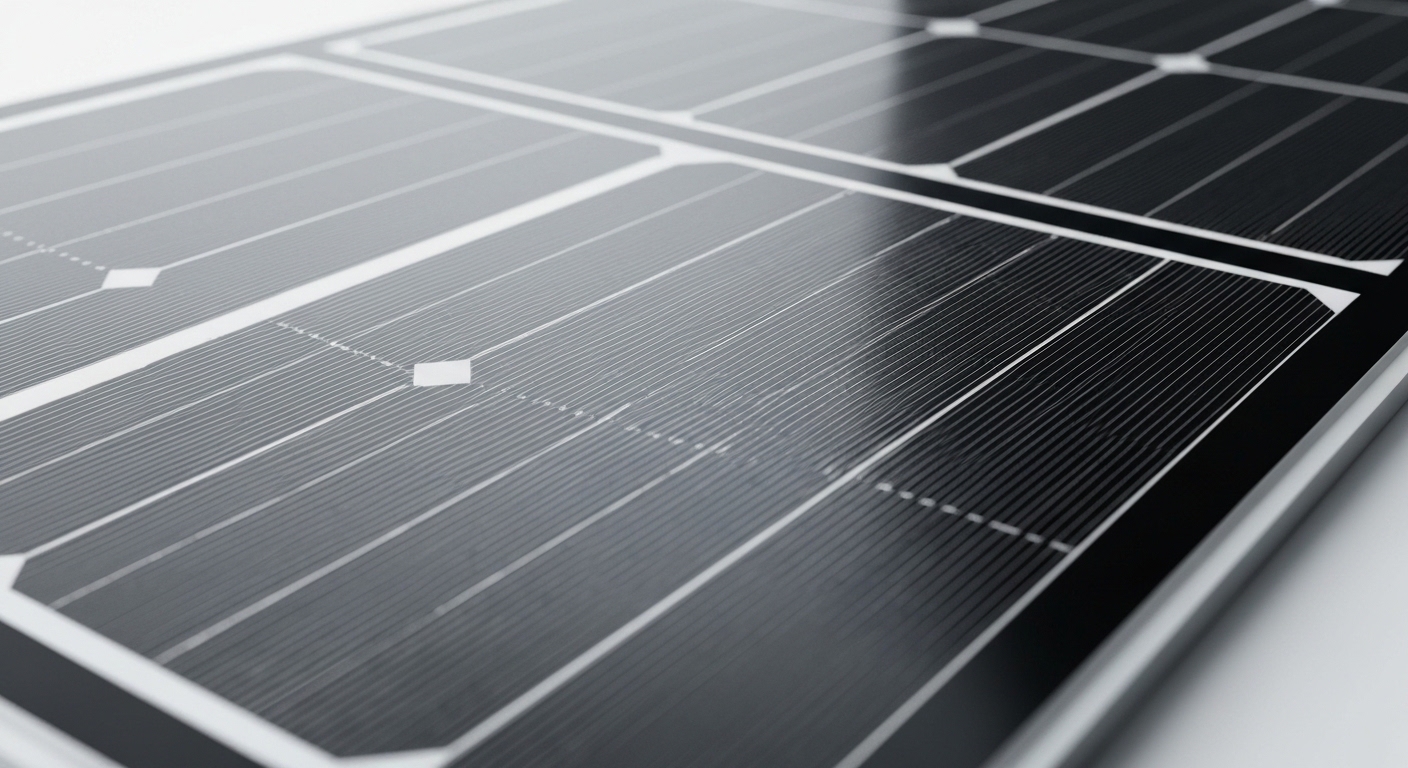
Darwin receives more solar energy per square metre than almost any other city in Australia — and almost anywhere else in the world. A well-maintained 6.6 kW system in Darwin generates approximately 35–40% more electricity annually than the same system in Melbourne. This exceptional solar resource makes solar panel cleaning in Darwin one of the highest-return maintenance activities available to any Darwin homeowner.
But Darwin’s extreme seasonal climate creates unique challenges. The tropical monsoon delivers massive rainfall, followed by a long, bone-dry season. These conditions create solar panel cleaning requirements that are completely different from southern cities. This guide is specifically for Darwin and Top End NT solar owners.
Darwin’s Solar Profile: Why Maintenance Matters More Here
| Metric | Darwin | Melbourne | Sydney |
|---|---|---|---|
| Annual peak sun hours | ~5.5–6.0 kWh/kW/day | ~3.5–4.0 kWh/kW/day | ~4.0–4.5 kWh/kW/day |
| Annual output, 6.6 kW system (estimate) | 13,000–14,000 kWh | 8,500–9,500 kWh | 9,500–10,500 kWh |
| Annual electricity value (approx, 28c self-use) | $3,640–$3,920 | $2,380–$2,660 | $2,660–$2,940 |
A 10% soiling loss on a Darwin system represents $364–$392 per year in lost electricity value. That’s compared to $238–$266 in Melbourne. The financial return on solar panel cleaning in Darwin is proportionally much higher.
Darwin’s Seasonal Soiling Pattern
Understanding Darwin’s two seasons is essential for scheduling solar panel cleaning correctly.
The Wet Season (November–April)
Darwin’s wet season delivers 1,600–1,900 mm of rainfall. Most of it falls between January and March. This heavy rainfall:
- Flushes most accumulated mineral dust from the dry season
- Washes away loose bird droppings and organic matter
- But deposits its own mineral load (Darwin rain is generally low in total dissolved solids, less of a concern than Perth or Adelaide)
- Creates conditions for mould, algae, and biological growth on panel surfaces during humid periods between rain events
Key wet season pest: Torres Strait pigeons (Ducula spilorrhoa) arrive in large flocks from October through April. They roost on any available elevated surface, including solar panel arrays. Their droppings are voluminous and acidic — a significant soiling source through the wet season.
The Dry Season (May–October)
Darwin’s dry season is exceptional. It typically brings fewer than 10 mm of rainfall for five to six months. Without any self-cleaning precipitation:
- Mineral dust from the NT interior accumulates on panel surfaces
- Bird activity from Indian mynas, doves, and starlings continues to deposit fouling
- Biological growth from the wet season dries and bakes onto panel glass
- Hot, dry conditions make soiling more adhesive and harder to remove as the season progresses
By October, a Darwin system that was cleaned in April may have accumulated 8–15% output loss from dry-season soiling alone. This makes solar panel cleaning in Darwin essential before the dry season begins.
The Recommended Solar Panel Cleaning Schedule for Darwin
Standard Single-Annual Clean: April–May
The optimal timing is immediately after the wet season, before the dry season begins:
- Removes all wet-season residue, Torres Strait pigeon fouling, and biological growth
- Starts the dry season (Darwin’s highest-output months: May–October) with clean panels
- Provides the longest clean period before the next major soiling season
- Coincides with the most comfortable working conditions (temperatures dropping, humidity decreasing, storm risk falling)
For most Darwin residential systems, one clean timed in this window provides excellent results.
Systems Requiring Two Cleans Per Year
Book a second clean in October–November (start of the build-up) if:
- Your system is in a high-bird-fouling location (near parkland, the Darwin CBD Esplanade, or close to roosting trees)
- Your inverter monitoring shows output has dropped more than 10% from the May baseline
- You have a large system (10 kW or more) where the financial impact of soiling is proportionally higher
- Your panels are flat or low-pitch (less than 10 degrees) — more dust accumulation in the dry season
What to Avoid
- January–March cleaning — during the wet season, panels will be resoiled within days. It’s a waste of money.
- September–November cleaning — the build-up period brings extreme heat (35–40°C or higher), dangerous lightning risk, and working conditions that are unsafe for roof work. If your system genuinely needs a clean in this window, book for the earliest possible morning slot and check BOM forecasts before proceeding.
Darwin’s Specific Soiling Challenges for Solar Panel Cleaning
1. Torres Strait Pigeon Fouling
The Torres Strait pigeon is a large, migratory bird that nests in Darwin in flocks that can exceed several thousand individuals. Their droppings are large, soft, and very high in uric acid. This creates ideal conditions for hot spot formation and anti-reflective coating etching.
Properties near the Darwin Botanic Gardens, East Point Reserve, Casuarina Coastal Reserve, and any large rainforest trees are most affected. If you’re in these areas, twice-yearly solar panel cleaning in Darwin and bird mesh installation is the financially correct decision.
2. Indian Myna Territoriality
Indian mynas (Acridotheres tristis) are one of the world’s most invasive birds. They are extremely abundant across Darwin suburbs. They are highly territorial. Once a pair establishes your roof as territory, they return repeatedly. Year-round fouling from mynas is a significant issue for any Darwin system without bird mesh.
3. Gecko and Reptile Activity
Unlike southern cities, Darwin systems frequently have geckos (Gehyra and Hemidactylus species) sheltering under panels. Geckos are harmless to the panels themselves. But their droppings and shed skin contribute to the soiling load. Carpet pythons occasionally shelter under panels. This is generally harmless and they should be left undisturbed (they’re protected).
4. Red Dust Events
The NT’s red mineral dust gives the Territory its characteristic red soil. This Iron ore-rich particulate can be deposited on Darwin panels during north-easterly winds. These winds bring dust from the Victoria River region and Central Australia. These events create a red-tinted film. It is visible and measurable in output terms within days.
5. Salt and Coastal Effects
Darwin’s Fannie Bay, East Point, Nightcliff, Rapid Creek, and Casuarina coastal strip are subject to salt spray from the Timor Sea. Coastal suburb panels accumulate a hydrophobic salt film. This reduces rain self-cleaning effectiveness. It should be specifically addressed in any professional solar panel cleaning in Darwin.
Solar Panel Cleaning Pricing in Darwin: What to Expect
Darwin’s smaller cleaning market and higher logistics costs mean pricing is moderately higher than the Sydney or Melbourne metro average:
| System Size | Panels | Darwin Price Range |
|---|---|---|
| 3 kW | ~10 panels | $160–$220 |
| 6.6 kW | ~20 panels | $220–$320 |
| 10 kW | ~30 panels | $320–$450 |
| 13.3 kW | ~40 panels | $420–$600 |
Some Darwin providers offer an annual service agreement. This includes one or two cleans per year plus inspection. It typically reduces per-service cost by 15–20%.
> Given Darwin’s exceptional solar output, a $280 clean that recovers 12% performance on a $3,800/year system pays back its cost in approximately 3 weeks of recovered output.
What to Look for in a Darwin Solar Panel Cleaning Professional
All the general principles apply: public liability insurance, Working at Heights certification, deionised water, no pressure washer. But there are some Darwin-specific additions:
- Experience with Top End conditions — a cleaner who has only worked in southern cities may underestimate the seasonal soiling profile and bird fouling rates
- Heat and wet season awareness — the cleaner should proactively schedule around the build-up and wet season, not offer to clean year-round without regard for conditions
- Snake and wildlife awareness — any contractor working under NT panels should know to check for carpet pythons and other wildlife before disturbing the underside of the array
Monitoring Your Darwin System Between Cleans
Darwin’s solar resource is high enough that soiling losses are financially significant. Use your inverter app to track performance:
- Record your specific yield (kWh/kW/day) in the first two weeks after your annual clean. This is your baseline.
- Check the same metric monthly through the dry season.
- If specific yield drops by 10% or more from your baseline, inspect for fouling and book an early clean if warranted.
The Fronius Solar.web, SolarEdge monitoring portal, and GoodWe SEMS Portal all provide this data if you set up an account. Most modern inverters log 15-minute data. You can access it via a local display or app.
Summary: Solar Panel Cleaning in Darwin
Darwin solar panel owners have more to gain from regular professional cleaning than homeowners in almost any other Australian city. They also have a more specific, seasonally-driven schedule to follow. The formula is simple: clean once annually in April–May (post-wet-season), monitor your output through the dry season, and add a second clean only if your monitoring data shows it’s warranted.
Given the financial return on Darwin’s solar resource, protecting panel efficiency with a $280 annual clean is one of the most straightforward home maintenance investments available. Solar panel cleaning in Darwin is not just maintenance — it’s a financially smart decision that pays for itself in weeks.
Sources
This guide draws on the following authoritative sources:
- Bureau of Meteorology (BOM) — Darwin climate statistics, seasonal rainfall data, and solar radiation measurements for the Northern Territory region (www.bom.gov.au)
- Australian Renewable Energy Agency (ARENA) — Solar irradiance data and system performance benchmarks for Australian climate zones, including tropical regions (arena.gov.au)
- National Renewable Energy Laboratory (NREL) — Research on soiling losses, cleaning effectiveness, and environmental impacts on photovoltaic system performance (www.nrel.gov)
Last updated: May 2026. Solar output estimates based on BOM and ARENA solar data for Darwin. Pricing reflects Northern Territory market conditions.
See also How Often to Clean Solar Panels, Solar Panel Soiling Cost Australia, and Solar Panel Cleaning Frequency by Climate.
Frequently Asked Questions
How often should I clean solar panels in Darwin?
One professional clean per year is the recommended schedule. Time it for the start of the dry season in April or May. This works well for most Darwin and Top End residential solar systems. The wet season from November to April delivers enough rain to wash away most dust and dirt. But the dry season that follows is nearly rainless for five to six months. Clean panels during this period capture Darwin’s exceptional solar resource.
Does the Darwin wet season clean my solar panels?
Mostly yes, but not completely. Darwin’s heavy monsoonal rainfall flushes away most dust and organic matter. However, it leaves behind mineral deposits from the rain itself. Bird activity continues year-round, particularly from myna birds and Torres Strait pigeons. Any biological growth from the previous dry season also remains. A professional clean after the wet season ensures your panels start the dry season properly.
How much does solar panel cleaning cost in Darwin?
Solar panel cleaning in Darwin typically costs $220–$320 for a standard 6.6 kW system with 20 panels. Darwin pricing reflects the smaller local market and higher logistics costs. The extreme working conditions from humidity and heat also factor in. Some providers offer combination packages covering both wet and dry season inspections. Always request deionised water and confirm the provider carries public liability insurance.
Is it safe to clean solar panels in the Darwin build-up season?
The build-up period from September to October is the most challenging time for outdoor work in Darwin. Extreme heat, high humidity, and unpredictable electrical storms create unsafe conditions. Professional cleaning during the build-up is not recommended. If your system needs cleaning during this period, book for first thing in the morning only. Check the Bureau of Meteorology for storm risk. Ensure the provider has experience with Top End conditions. The post-wet-season window in April or May is the optimal and safest time.
What pests damage solar panels in the Northern Territory?
Darwin and the Top End have a distinct pest profile compared to southern cities. Torres Strait pigeons produce large volumes of acidic droppings during their seasonal visit from October to April, which coincides with the wet season. Indian mynas are present year-round and highly territorial around rooflines. Carpet pythons occasionally shelter under panels. Geckos and lizard species are common under panels in the NT. They are generally harmless, but their droppings and shed skin contribute to soiling.
Frequently Asked Questions
One professional clean per year is the recommended schedule. Time it for the start of the dry season in April or May. This works well for most Darwin and Top End residential solar systems. The wet season from November to April delivers enough rain to wash away most dust and dirt. But the dry season that follows is nearly rainless for five to six months. Clean panels during this period capture Darwin's exceptional solar resource.
Mostly yes, but not completely. Darwin's heavy monsoonal rainfall flushes away most dust and organic matter. However, it leaves behind mineral deposits from the rain itself. Bird activity continues year-round, particularly from myna birds and Torres Strait pigeons. Any biological growth from the previous dry season also remains. A professional clean after the wet season ensures your panels start the dry season properly.
Solar panel cleaning in Darwin typically costs $220–$320 for a standard 6.6 kW system with 20 panels. Darwin pricing reflects the smaller local market and higher logistics costs. The extreme working conditions from humidity and heat also factor in. Some providers offer combination packages covering both wet and dry season inspections. Always request deionised water and confirm the provider carries public liability insurance.
The build-up period from September to October is the most challenging time for outdoor work in Darwin. Extreme heat, high humidity, and unpredictable electrical storms create unsafe conditions. Professional cleaning during the build-up is not recommended. If your system needs cleaning during this period, book for first thing in the morning only. Check the Bureau of Meteorology for storm risk. Ensure the provider has experience with Top End conditions. The post-wet-season window in April or May is the optimal and safest time.
Darwin and the Top End have a distinct pest profile compared to southern cities. Torres Strait pigeons produce large volumes of acidic droppings during their seasonal visit from October to April, which coincides with the wet season. Indian mynas are present year-round and highly territorial around rooflines. Carpet pythons occasionally shelter under panels. Geckos and lizard species are common under panels in the NT. They are generally harmless, but their droppings and shed skin contribute to soiling.